NDPS matters, from bail to search and seizure challenges
A drug case under the NDPS Act is one of the most serious situations a person can face. Penalties can be severe, bail can be difficult to obtain, and even a small mistake in the early stages can affect the whole case. Many people are arrested in circumstances where they may not have known about, owned, or controlled the substance, or where the investigation and seizure process may have been legally disputed.
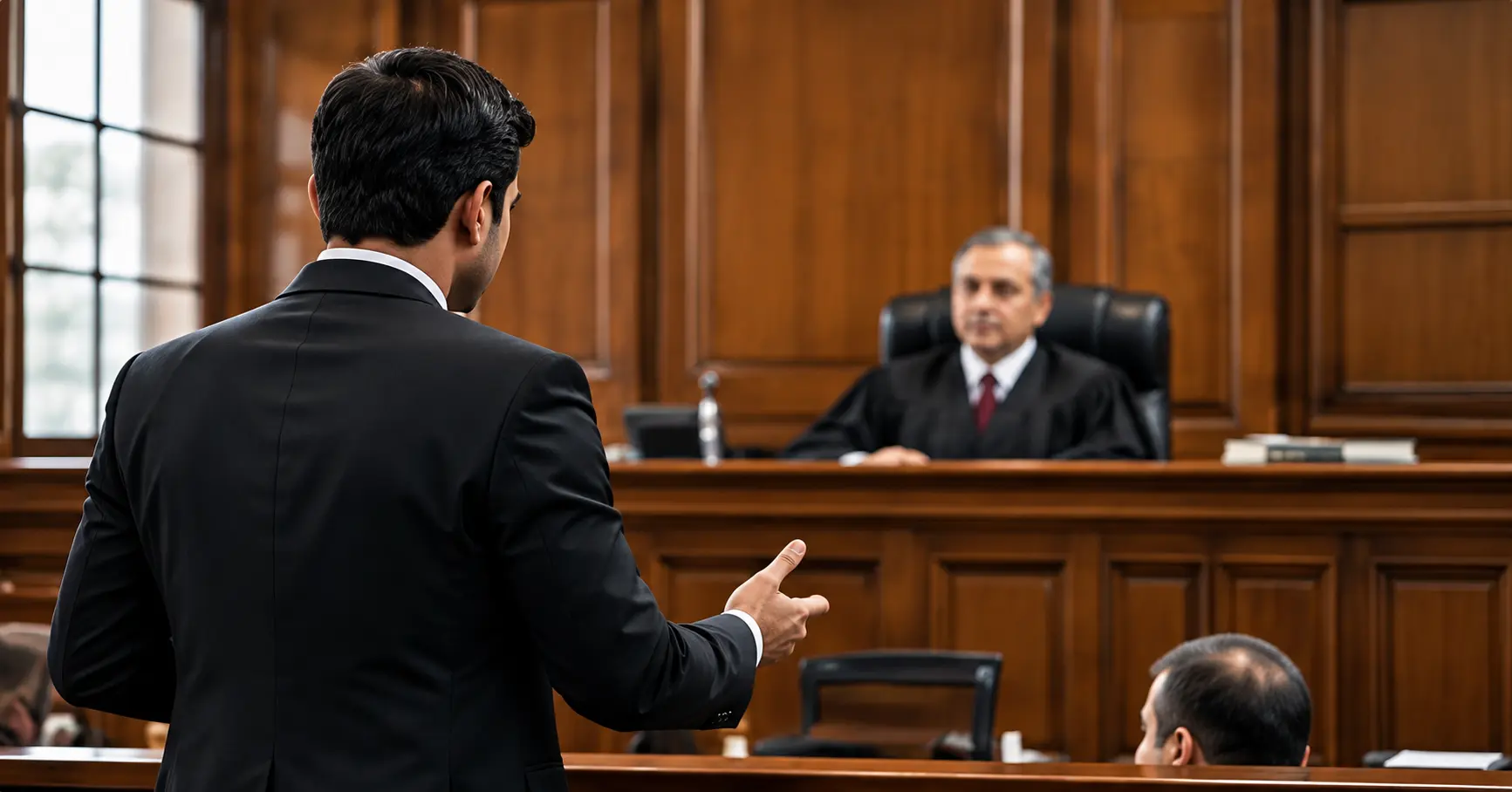
We defend people accused in NDPS cases. We examine how the police or investigating agency acted, whether the legal requirements were followed, and whether the evidence genuinely supports the allegations.
How We Help
- Bail and anticipatory bail: Seeking release at every stage, whether before arrest or after arrest, including proceedings before the High Court and Supreme Court when required.
- Challenging the search and seizure: Examining whether the authorities followed the applicable legal requirements while searching a person, vehicle, or premises. Procedural errors may have a significant impact on the prosecution case.
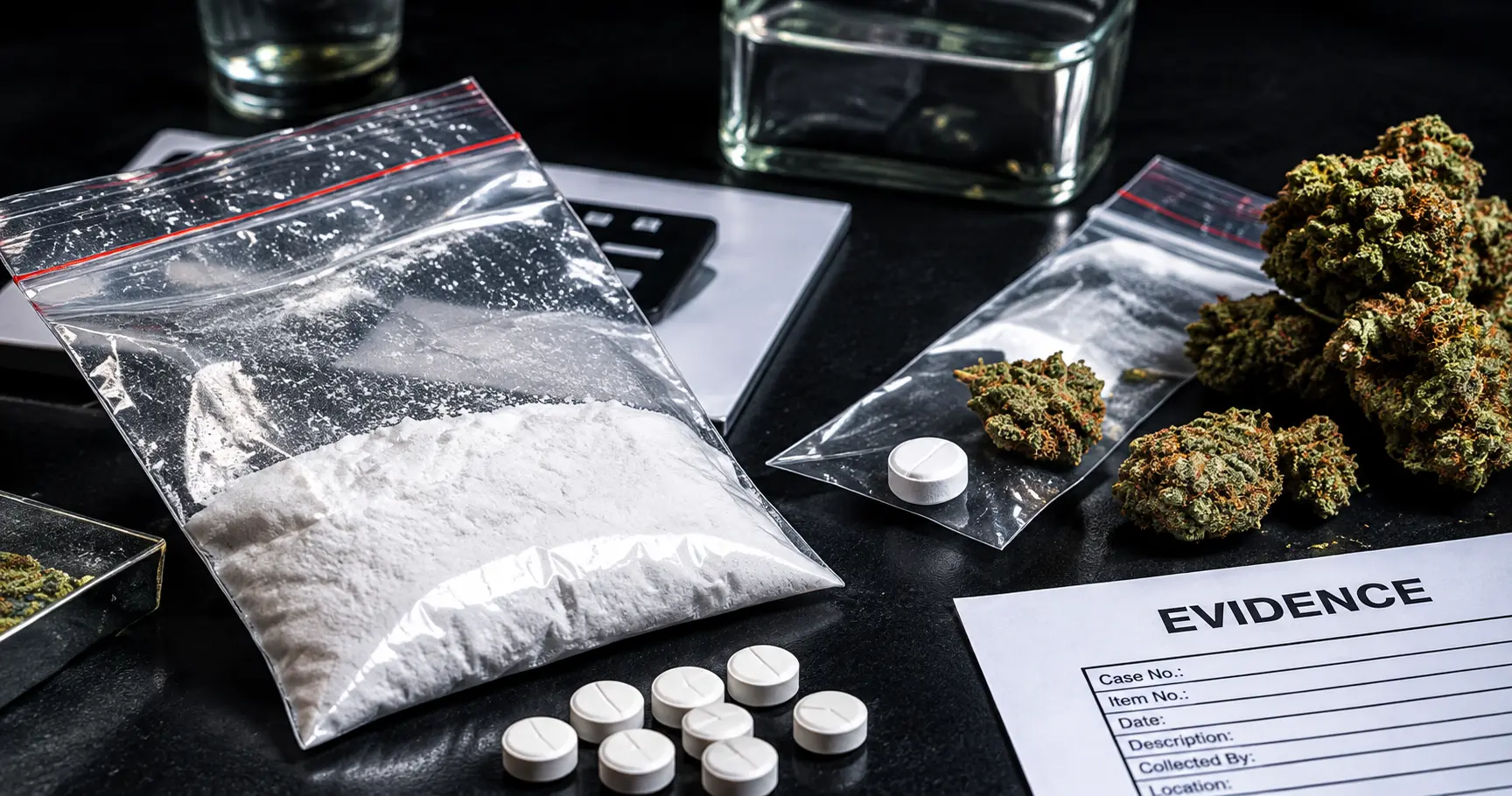
- Questioning the evidence: Reviewing how the substance was seized, sealed, stored, tested, and reported, and whether a proper and continuous chain of custody was maintained.
- Proving lack of knowledge: Examining circumstances where a person may not have known about, owned, or exercised control over the substance allegedly recovered.
- Personal use versus dealing: Examining whether the quantity and circumstances support an allegation of personal use rather than possession or trafficking involving a larger quantity.
- Quantity disputes: Challenging the manner in which the quantity or purity of the substance was determined, where this affects the applicable legal provisions and potential punishment.
- Property seizure and freezing orders: Challenging the seizure or freezing of bank accounts, vehicles, or property alleged to be connected with the case.
- Preventive detention: Challenging preventive detention orders and examining whether the statutory requirements have been satisfied.
- Cancelling weak or false cases: Approaching the High Court in appropriate cases where the prosecution material may not establish the necessary legal foundation.
- Appeals: Challenging convictions, sentences, or other adverse orders before the appropriate higher court.
Our Approach
NDPS cases can depend heavily on details such as dates, signatures, seals, witnesses, seizure records, laboratory reports, and the chain of custody. We examine the record carefully and develop the defence around what the evidence actually establishes. Information shared with us is handled with strict confidentiality.
Frequently Asked Questions
Is bail difficult in NDPS cases?
NDPS bail applications can involve stringent statutory conditions, particularly in cases involving commercial quantities. Bail remains legally possible depending on the facts, evidence, applicable provisions, and stage of the proceedings. A carefully prepared bail application can address the relevant legal and factual issues.
What if the drugs were found in a shared place or someone else's vehicle?
The circumstances of possession and control are important. The prosecution may need to establish the elements required for the particular offence, and merely being present at a location does not automatically establish every element of unlawful possession. The facts surrounding the recovery must be examined carefully.
Does it matter how much was found?
Yes. The quantity of the alleged substance can affect the applicable provisions, the seriousness of the offence, and the potential punishment. The manner in which the quantity was identified and established is therefore an important part of the case.
Can a person arrested for drug use get help instead of jail?
Depending on the circumstances and the applicable legal provisions, treatment or rehabilitation-related provisions may be relevant in cases involving drug use. The specific facts of the case should be reviewed to determine whether such provisions may apply.
Should I sign or speak to the officers without an Advocate?
A person facing an NDPS investigation should obtain legal advice before making statements or signing documents, particularly where the document may have legal consequences. An Advocate can explain the nature and implications of the proposed statement or document.
Contact us today for a confidential consultation.